Sortowanie
Źródło opisu
Legimi
(650)
Forma i typ
E-booki
(650)
Autor
Balzac Honore de
(26)
Verne Jules
(23)
Wells H. G
(22)
Dickens Charles
(20)
Szekspir William
(20)
Stevenson Robert Louis
(16)
Twain Mark
(16)
Conrad Joseph
(13)
Walter Scott
(13)
Hawthorne Nathaniel
(12)
Hugo Wiktor
(12)
Melville Herman
(12)
Leo Tolstoy
(11)
Jonathan Swift
(10)
Collins Wilkie
(9)
Dostoevsky Fyodor
(9)
Wilde Oscar
(9)
Fletcher Beaumont and
(8)
Hardy Thomas
(8)
Poe Edgar Allan
(8)
Austen Jane
(7)
Chekhov Anton
(7)
Fletcher John
(7)
Alighieri Dante
(6)
Doyle Arthur Conan
(6)
Milton John
(6)
Alcott Louisa May
(5)
Andersen Hans Christian
(5)
Assis Machado de
(5)
Cooper James Fenimore
(5)
Dumas Alexandre
(5)
Fitzgerald F. Scott
(5)
James Henry
(5)
London Jack
(5)
Schiller Friedrich
(5)
Anonymous
(4)
Brontë Charlotte
(4)
Cather Willa
(4)
Congreve William
(4)
Galdós Benito Pérez
(4)
Giovanni Boccaccio
(4)
Goethe Johann Wolfgang von
(4)
Gogol Nikolai
(4)
Henrik Ibsen
(4)
Jonson Ben
(4)
Kipling Rudyard
(4)
Pirandello Luigi
(4)
Turgenev Ivan
(4)
Bacon Francis
(3)
Bram Stoker
(3)
Christie Agatha
(3)
Dekker Thomas
(3)
Gautier Theophile
(3)
George Eliot
(3)
Greene Robert
(3)
Kafka Franz
(3)
Meredith George
(3)
Molière
(3)
Potter Beatrix
(3)
Queirós Eça de
(3)
Quiroga Horacio
(3)
Reade Charles
(3)
Sand George
(3)
Trollope Anthony
(3)
Aristophanes
(2)
Bronte Anne
(2)
Bronte Emily
(2)
Bulwer-Lytton Edward
(2)
Burnett Frances Hodgson
(2)
Carroll Lewis
(2)
Cervantes Miguel de
(2)
Chapman George
(2)
Daniel Defoe
(2)
Darío Rubén
(2)
Daudet Alphonse
(2)
Dryden John
(2)
Farquhar George
(2)
Goldsmith Oliver
(2)
Hamsun Knut
(2)
Hemingway Ernest
(2)
Henry Fielding
(2)
Hermann Hesse
(2)
Hesiod
(2)
Hodgson William Hope
(2)
Kingsley Charles
(2)
Lagerlöf Selma
(2)
Lawrence D.H
(2)
Merimee Prosper
(2)
Radcliffe Ann
(2)
Sheridan Richard Brinsley
(2)
Spenser Edmund
(2)
Stowe Harriet Beecher
(2)
Sue Eugène
(2)
Thomas Hobbes
(2)
Zola Émile
(2)
Adams Andy
(1)
Arnold Edwin Lester
(1)
Auhtors Various
(1)
Azuela Mariano
(1)
Ballantyne R. M
(1)
Rok wydania
2020 - 2026
(650)
Kraj wydania
Polska
(650)
Język
polski
(650)
650 wyników Filtruj
E-book
W koszyku
The Log of a Cowboy / Andy Adams. - [miejsce nieznane] : CLXBX : Legimi, 2026.
Forma i typ
Andy Adams's The Log of a Cowboy is a vivid and authentic account of life on the American frontier, offering readers a firsthand glimpse into the rugged world of cattle drives in the late 19th century. Widely regarded as one of the most realistic portrayals of cowboy life ever written, the novel draws upon Adams's own experiences to present a compelling and unembellished narrative of adventure, hardship, and endurance. The story follows a crew of cowboys as they undertake a long and demanding cattle drive from Texas to Montana along the historic Western trails. Through the eyes of the narrator, readers are immersed in the daily routines, challenges, and unpredictable dangers faced by the men—ranging from harsh weather and treacherous river crossings to stampedes and encounters with outlaws. Unlike romanticized depictions of the West, Adams's portrayal emphasizes the discipline, skill, and resilience required to survive and succeed in this unforgiving environment. At its heart, the novel is a celebration of camaraderie and perseverance. The relationships among the cowboys—built on trust, shared hardship, and mutual respect—form the emotional core of the story. Each character contributes to the journey, revealing the diverse personalities and backgrounds that shaped life on the trail. Adams's straightforward and engaging style brings a sense of realism and immediacy to the narrative, capturing both the monotony and the excitement of frontier life. His attention to detail provides valuable insight into the practical aspects of cattle driving, from trail organization to the responsibilities of each crew member. The Log of a Cowboy stands as a timeless classic of Western literature, offering a genuine and immersive look at a defining era in American history. It is an essential read for anyone interested in the Old West, frontier adventure, and stories of resilience, teamwork, and the enduring spirit of those who shaped the American frontier.
Ta pozycja jest dostępna przez Internet. Rozwiń informację, by zobaczyć szczegóły.
Dostęp do treści elektronicznej wymaga posiadania kodu dostępu, który można odebrać w bibliotece.
E-book
W koszyku
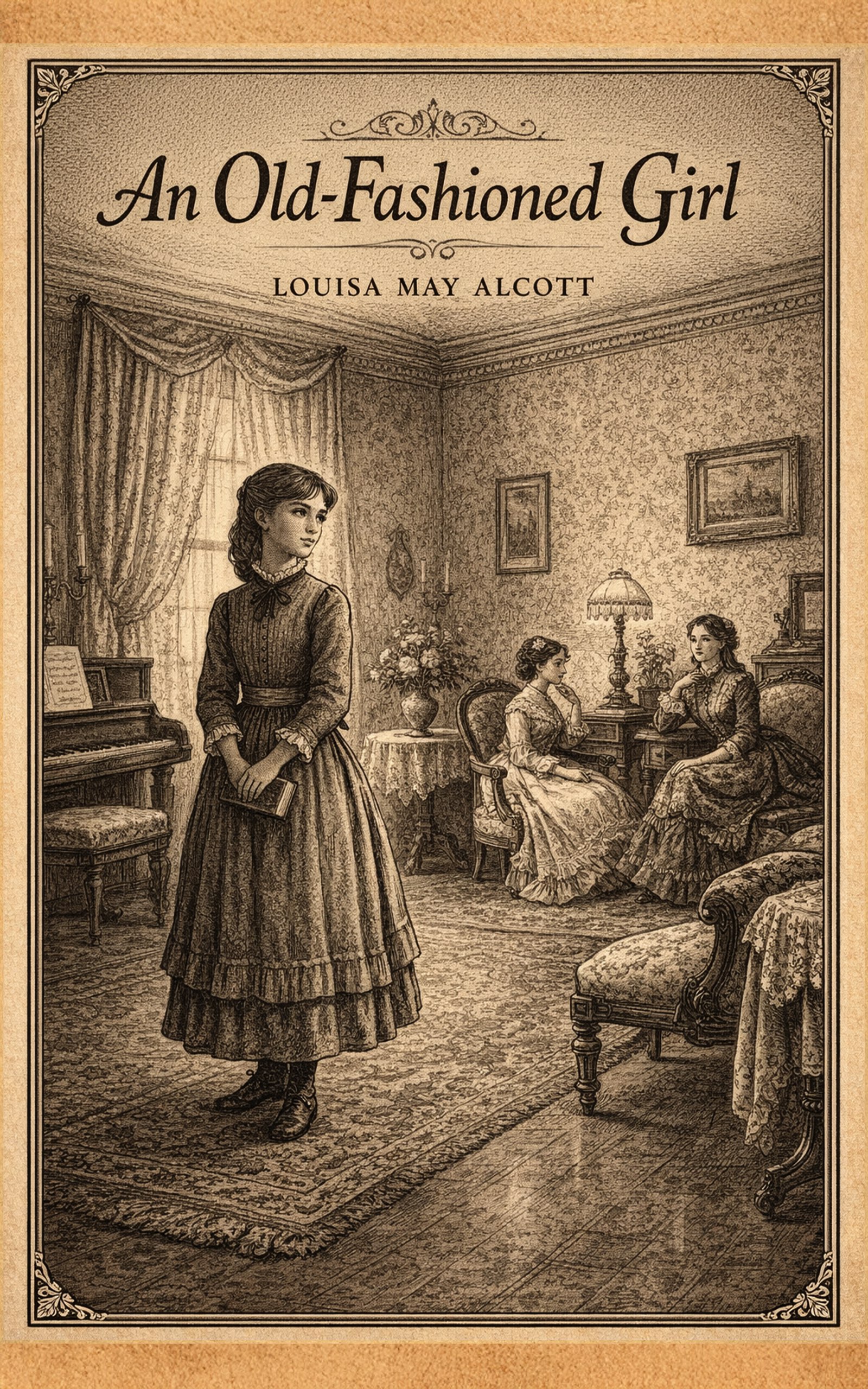
An Old-Fashioned Girl by Louisa May Alcott is a heartwarming and morally uplifting coming-of-age novel that explores the contrast between traditional values and the changing social customs of 19th-century America. Best known for her beloved classic Little Women, Alcott once again brings her keen insight into family life, personal growth, and moral character to this touching story of innocence, friendship, and self-discovery. The novel follows Polly Milton, a simple and wholesome country girl who travels to the city to visit her wealthy friend, Fanny Shaw. Polly's old-fashioned manners, modest clothing, and sincere nature initially set her apart from the fashionable and socially ambitious Shaw family. In a household filled with dancing lessons, fine clothes, social events, and rigid expectations, Polly's straightforward honesty and warm heart make her both an outsider and a quiet influence. As Polly navigates her new surroundings, Alcott gently contrasts rural simplicity with urban sophistication. Through Polly's eyes, readers witness the pressures young women face to conform to societal standards of beauty, status, and accomplishment. While Fanny and her friends are preoccupied with appearances and popularity, Polly values kindness, humility, and integrity. Her presence gradually impacts those around her, subtly reminding them of the importance of authenticity and moral strength. The story unfolds over several years, allowing readers to see the characters mature and change. When Polly returns to the city as a young woman, she faces new challenges—financial independence, romantic possibilities, and the evolving expectations placed upon women. Her journey reflects broader themes of self-reliance, education, work, and the true meaning of success. At its heart, An Old-Fashioned Girl is a novel about staying true to oneself in a world that often prioritizes superficial qualities. Louisa May Alcott weaves together warmth, gentle humor, and thoughtful social commentary to celebrate character over charm, substance over style, and compassion over convention. Through Polly's steady example, Alcott affirms that genuine goodness never goes out of fashion. Rich with memorable characters and timeless lessons, this novel remains a charming and inspiring portrait of youthful ideals, friendship, and the enduring value of a kind and steadfast heart.
Ta pozycja jest dostępna przez Internet. Rozwiń informację, by zobaczyć szczegóły.
Dostęp do treści elektronicznej wymaga posiadania kodu dostępu, który można odebrać w bibliotece.
E-book
W koszyku
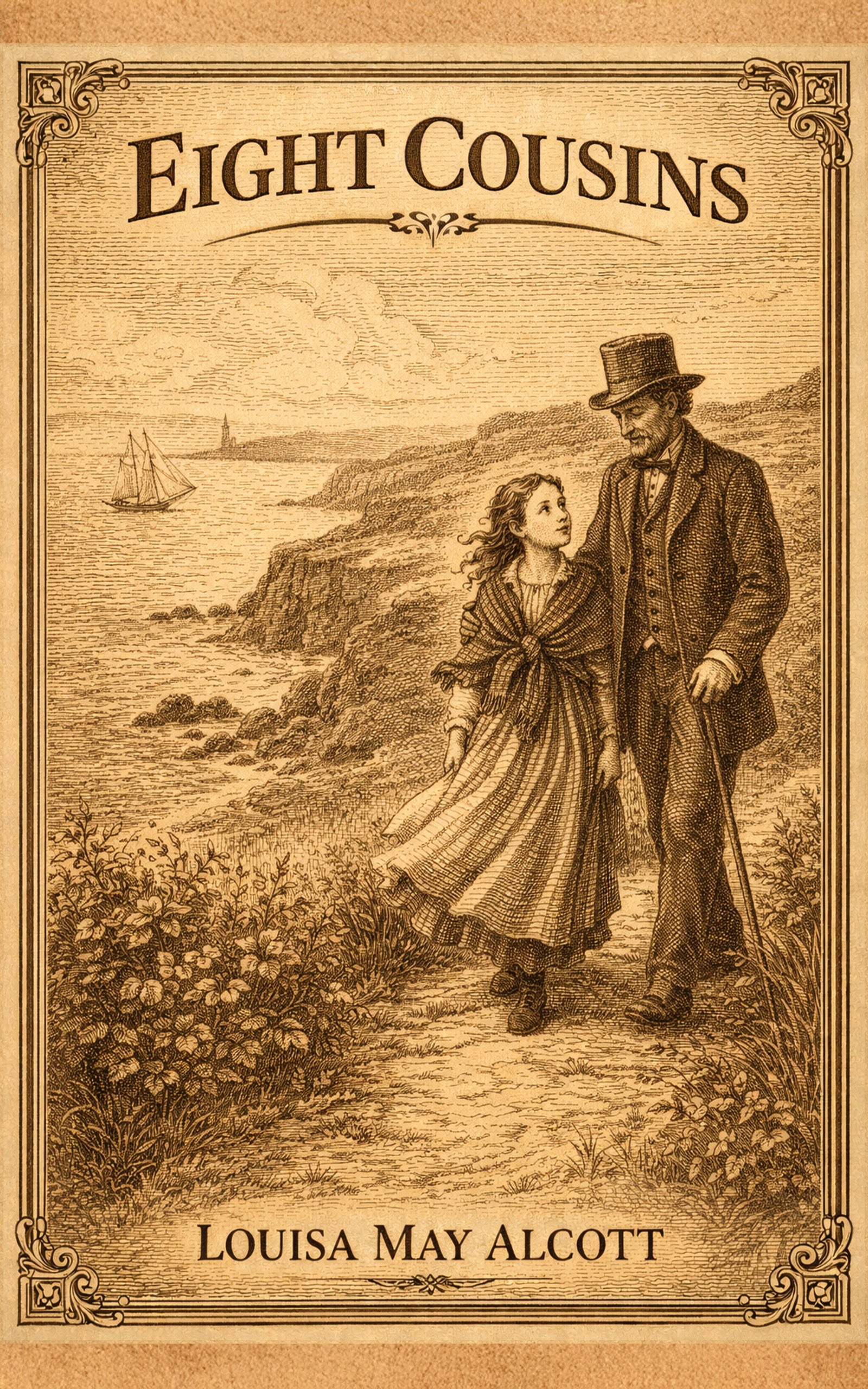
Eight Cousins / Louisa May Alcott. - [miejsce nieznane] : CLXBX : Legimi, 2026.
Eight Cousins by Louisa May Alcott is a charming and wholesome coming-of-age novel that celebrates family, personal growth, and the nurturing power of love and guidance. First published in 1875, this heartwarming story showcases Alcott's gift for creating relatable characters and meaningful life lessons, much like her beloved classic Little Women. The novel follows Rose Campbell, a recently orphaned young girl who leaves her sheltered life behind to live with her wealthy aunts and her seven lively boy cousins. Frail in health and timid in spirit at the beginning of her journey, Rose must adjust to a bustling household filled with energy, mischief, and affection. Under the thoughtful care of her progressive and compassionate Uncle Alec, Rose begins a transformation that is both physical and emotional. Uncle Alec believes in raising children with wisdom rather than rigid convention. He encourages Rose to strengthen her body through exercise, nourish her mind through reading and education, and cultivate independence and moral character. As Rose grows healthier and more confident, she forms unique bonds with each of her cousins, learning valuable lessons about loyalty, courage, kindness, and responsibility. Through gentle humor and heartfelt moments, Alcott explores themes of family unity, the importance of positive role models, and the balance between tradition and thoughtful reform. Rose's development reflects broader ideas about education, women's health, and the potential for young girls to grow into capable, compassionate individuals. The story emphasizes that true wealth lies not in material comfort but in strong relationships and upright character. Filled with warmth and moral insight, Eight Cousins presents a portrait of childhood shaped by encouragement, mutual respect, and affection. Alcott's engaging storytelling and uplifting themes make this novel a timeless tale for readers of all ages. It is a celebration of growth, family bonds, and the enduring belief that with guidance and love, young hearts can flourish into strength and virtue.
Ta pozycja jest dostępna przez Internet. Rozwiń informację, by zobaczyć szczegóły.
Dostęp do treści elektronicznej wymaga posiadania kodu dostępu, który można odebrać w bibliotece.
E-book
W koszyku
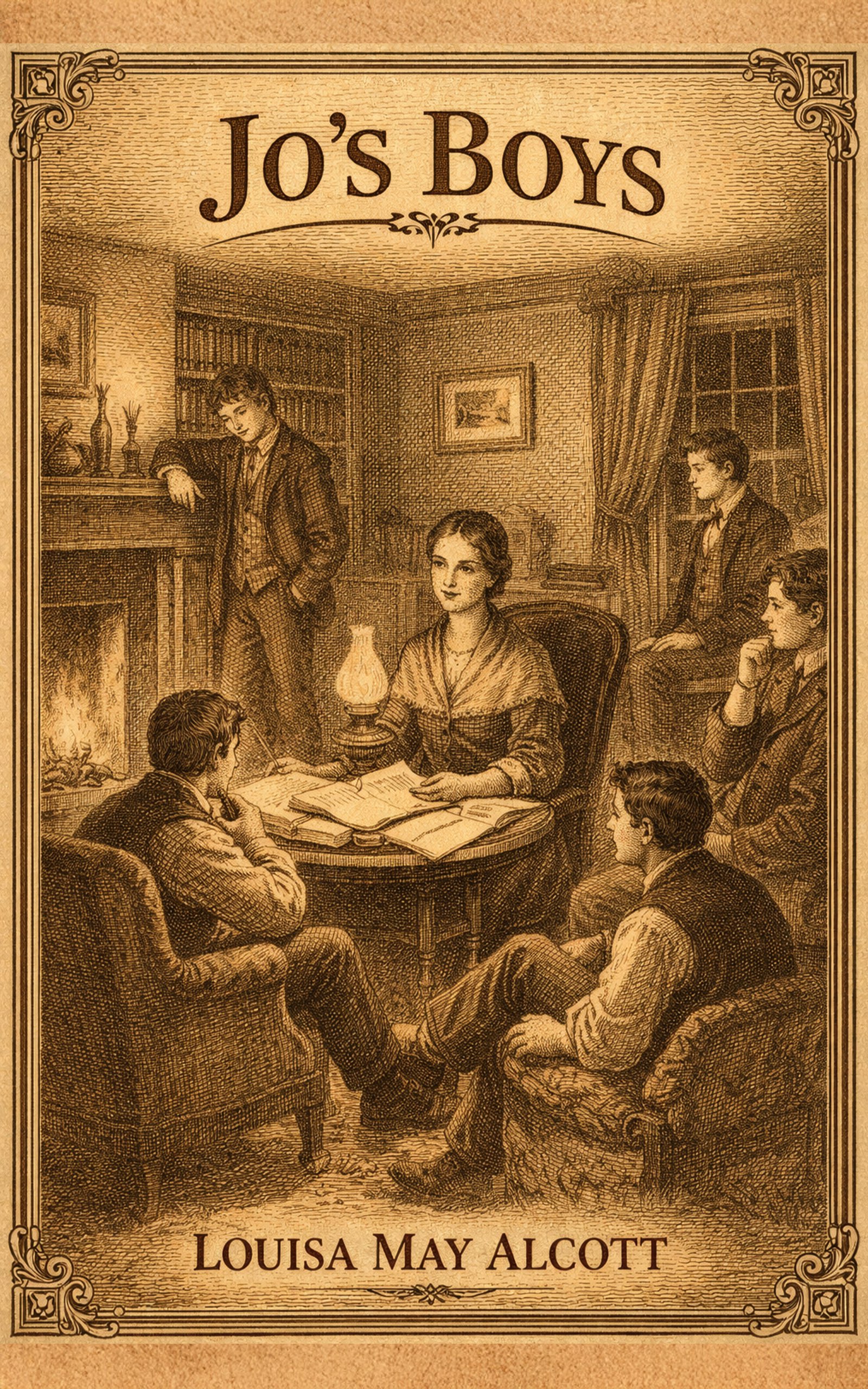
Jo's Boys / Louisa May Alcott. - [miejsce nieznane] : CLXBX : Legimi, 2026.
Jo's Boys by Louisa May Alcott is the heartfelt and satisfying conclusion to the beloved trilogy that began with Little Women and continued in Little Men. In this final installment, Alcott reunites readers with Jo March and the lively group of boys she helped raise at Plumfield School, now grown into young men facing the challenges and responsibilities of adulthood. Set several years after the events of Little Men, the novel follows the former students of Plumfield as they pursue careers, confront hardships, fall in love, and strive to live up to the moral principles instilled in them during their youth. Jo, now older and wiser, watches her "boys" venture into the wider world, offering guidance while learning to let them forge their own paths. Each character's journey reflects themes of ambition, integrity, perseverance, and personal growth. From artistic aspirations to military service, from business ventures to family life, the young men encounter both success and disappointment. Through triumphs and setbacks, Alcott emphasizes the importance of character, compassion, and staying true to one's values. While the novel celebrates maturity and achievement, it also carries a tone of reflection and gentle nostalgia. Jo herself evolves as she navigates the bittersweet experience of seeing her students—and her own children—step beyond her protective influence. The strong sense of family and community that defined Plumfield remains central, underscoring the enduring bonds formed through shared learning and affection. With warmth, humor, and moral insight, Jo's Boys explores the transition from youthful promise to adult responsibility. Alcott offers readers a comforting yet realistic portrayal of growth, reminding us that life's journey continues beyond childhood dreams, shaped by resilience, love, and steadfast principles. Rich in character development and emotional depth, Jo's Boys serves as a fitting farewell to one of literature's most cherished families, celebrating the enduring impact of mentorship, friendship, and home.
Ta pozycja jest dostępna przez Internet. Rozwiń informację, by zobaczyć szczegóły.
Dostęp do treści elektronicznej wymaga posiadania kodu dostępu, który można odebrać w bibliotece.
E-book
W koszyku
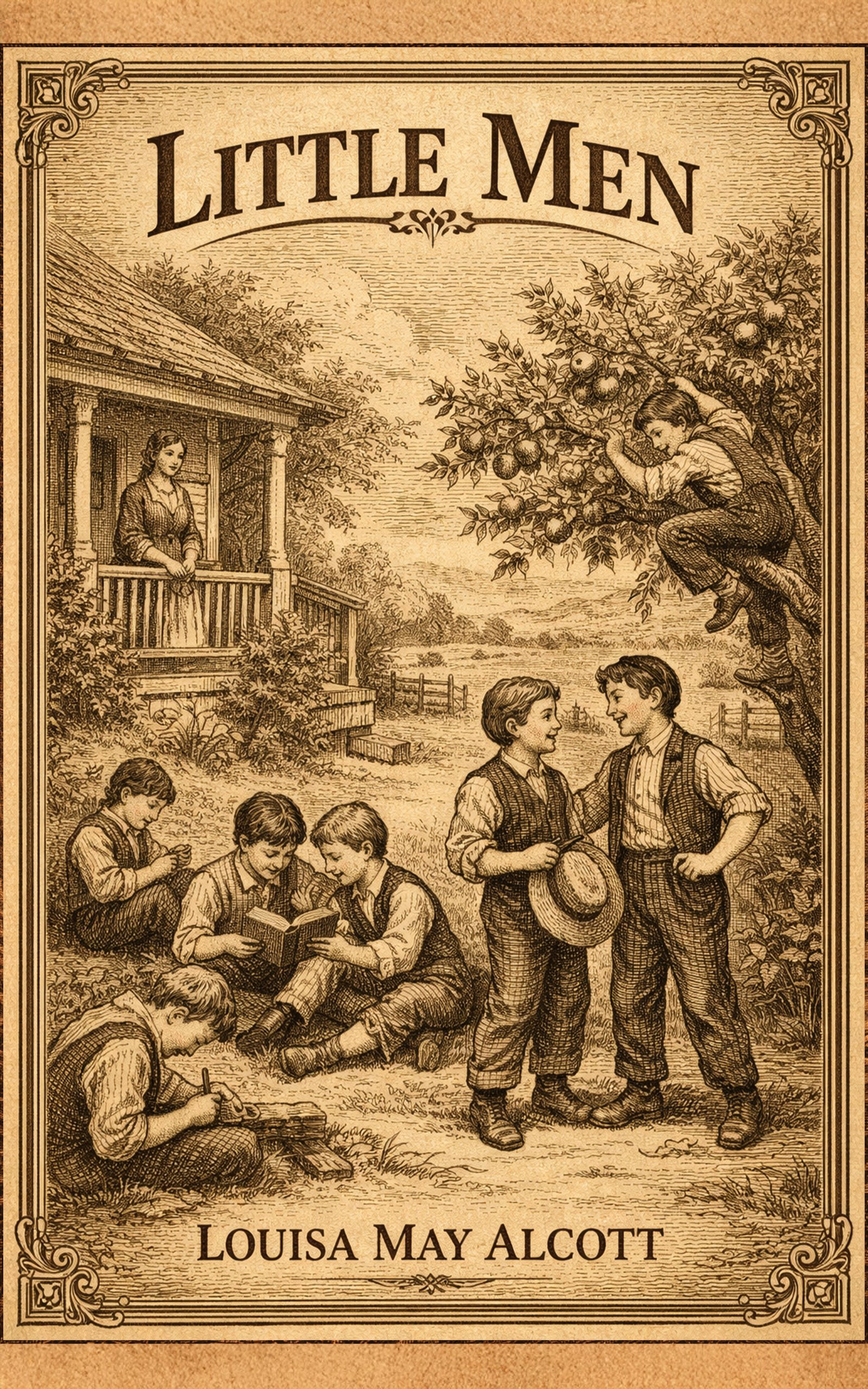
Little Men / Louisa May Alcott. - [miejsce nieznane] : CLXBX : Legimi, 2026.
Little Men by Louisa May Alcott is a heartwarming and spirited continuation of the beloved world first introduced in Little Women. In this delightful sequel, Alcott shifts the focus to Jo March—now grown and married—and her life as the devoted matron of Plumfield, a progressive school for boys. Filled with humor, warmth, and gentle moral lessons, this classic novel captures the joys and challenges of guiding young minds toward honorable adulthood. At Plumfield, Jo and her husband, Professor Bhaer, create a nurturing environment where education extends beyond books and recitations. Their philosophy emphasizes kindness, personal responsibility, creativity, and moral character. The school is home to a lively and diverse group of boys, each with distinct personalities, strengths, and struggles. From mischievous pranksters to sensitive dreamers, the students' adventures form the heart of the story. Through everyday incidents—lessons learned from mistakes, friendships formed and tested, and small triumphs over fear or selfishness—Alcott presents a vivid portrait of childhood. The boys encounter challenges that help them grow into thoughtful, compassionate individuals. Jo's patience, humor, and firm yet loving guidance demonstrate her belief that children flourish best when treated with understanding and respect. Themes of family, mentorship, perseverance, and the value of education run throughout the narrative. Alcott gently explores the idea that discipline can be balanced with empathy, and that moral growth often arises from experience rather than punishment. The sense of community at Plumfield reflects Alcott's enduring faith in the power of supportive relationships to shape character. While centered on youthful escapades, Little Men also carries deeper reflections on responsibility and the shaping of future citizens. Alcott's storytelling blends lively dialogue, affectionate humor, and practical wisdom, making the novel both entertaining and meaningful for readers of all ages. Rich with memorable characters and timeless lessons, Little Men remains a treasured classic that celebrates the transformative influence of patience, guidance, and love in the lives of growing children.
Ta pozycja jest dostępna przez Internet. Rozwiń informację, by zobaczyć szczegóły.
Dostęp do treści elektronicznej wymaga posiadania kodu dostępu, który można odebrać w bibliotece.
E-book
W koszyku
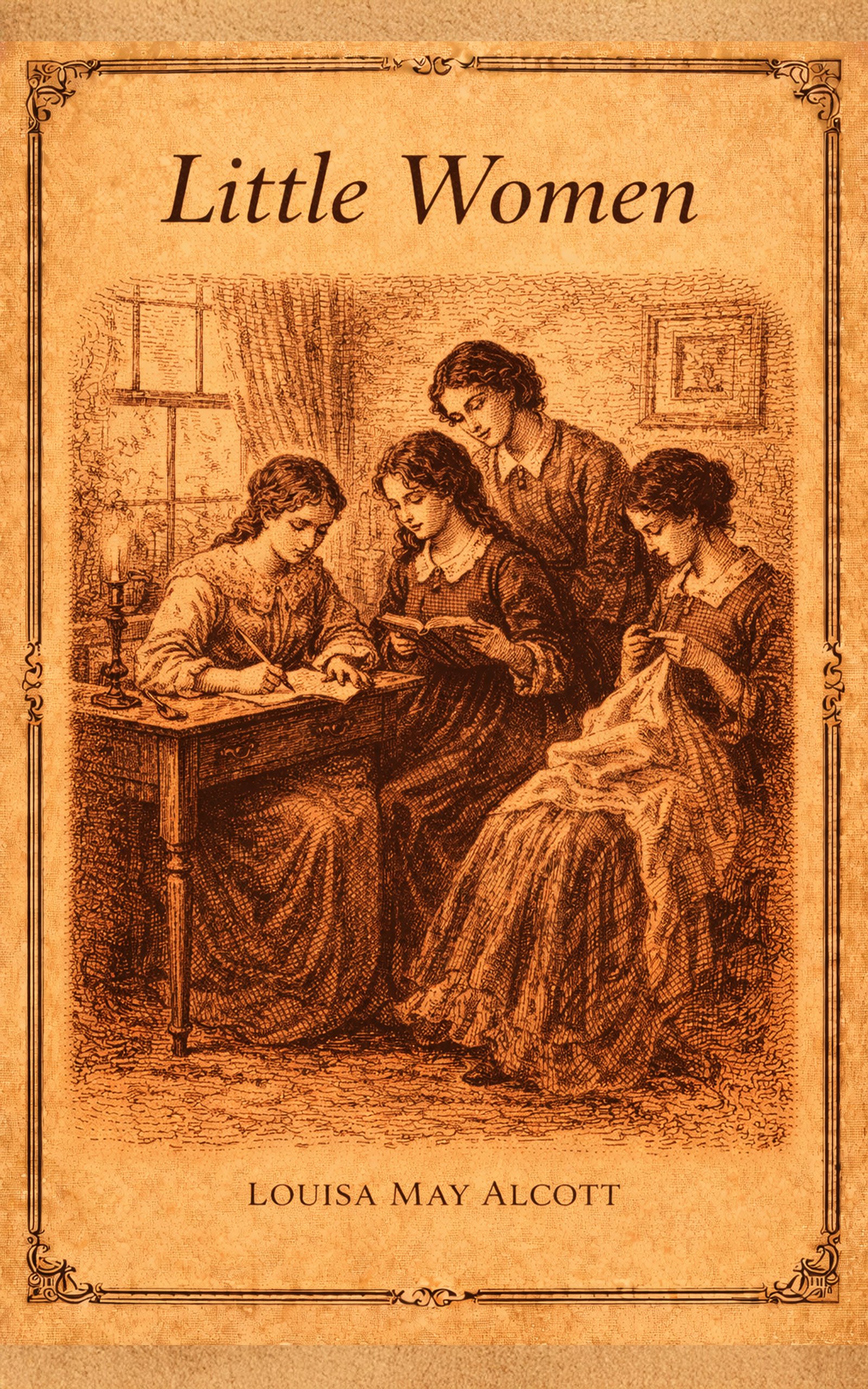
Little Women / Louisa May Alcott. - [miejsce nieznane] : CLXBX : Legimi, 2026.
A beloved classic that has warmed hearts for generations, Little Women by Louisa May Alcott is a timeless story of sisterhood, love, ambition, and growing up. Set during the American Civil War, this enduring novel follows the lives of the four March sisters—Meg, Jo, Beth, and Amy—as they navigate the joys and challenges of youth on the path to adulthood. Raised by their devoted mother while their father serves in the war, the sisters learn lessons of compassion, resilience, and personal responsibility. Each sister possesses a distinct personality and dream: Meg longs for elegance and stability, Jo aspires to literary greatness, gentle Beth embodies kindness and selflessness, and artistic Amy seeks refinement and achievement. Together, they share moments of laughter, hardship, rivalry, sacrifice, and unwavering support. Through domestic trials, romantic hopes, financial struggles, and personal growth, the sisters discover that true wealth lies not in material success but in integrity, family bonds, and inner strength. Alcott's portrayal of home life is intimate and heartfelt, capturing both the simplicity and complexity of everyday experiences. Rich in warmth and moral insight, Little Women explores themes of independence, ambition, generosity, and the evolving roles of women in society. Its relatable characters and gentle wisdom continue to resonate with readers of all ages, offering comfort, inspiration, and a reminder of the enduring power of family. Charming, uplifting, and deeply human, Little Women remains one of the most treasured novels in American literature—a story of growth, grace, and the lasting ties that shape our lives.
Ta pozycja jest dostępna przez Internet. Rozwiń informację, by zobaczyć szczegóły.
Dostęp do treści elektronicznej wymaga posiadania kodu dostępu, który można odebrać w bibliotece.
E-book
W koszyku
Convivio / Dante Alighieri. - [miejsce nieznane] : CLXBX : Legimi, 2026.
Convivio ("The Banquet") is Dante Alighieri's ambitious and unfinished philosophical work—a rich intellectual feast designed to nourish the minds and spirits of its readers. Written in the early years of his exile, this remarkable text reveals Dante not only as a poet of transcendent vision but also as a thinker deeply committed to sharing knowledge, wisdom, and moral insight with a wider audience. Conceived as a grand "banquet" of learning, the work combines lyrical poetry with extensive prose commentary. Each section begins with one of Dante's canzoni (long lyric poems), followed by a detailed explanation that unfolds its philosophical meaning. Through this innovative structure, Dante invites readers to the table of reason, offering sustenance drawn from classical philosophy, Christian theology, ethics, astronomy, and metaphysics. His goal is both educational and democratic: to make the treasures of wisdom accessible beyond the narrow circle of Latin scholars. At the heart of Convivio lies a profound exploration of human nobility and the pursuit of true happiness. Dante challenges the idea that nobility is inherited through bloodlines, arguing instead that genuine nobility arises from virtue, moral excellence, and the cultivation of the intellect. Knowledge, in his vision, is a pathway to freedom—an ennobling force that elevates the soul and directs it toward its highest good. Throughout the work, Dante reflects on love, philosophy, and the structure of the cosmos, weaving together influences from Aristotle, Boethius, and medieval scholastic thought. He examines the relationship between reason and faith, presenting philosophy as a guide that leads the human mind toward greater understanding. The text also offers personal insight into Dante's life during exile, revealing how his separation from Florence shaped his intellectual development and deepened his commitment to truth. Though originally planned as a much larger project, Convivio remains incomplete, adding a sense of poignancy to its pages. Yet even in its unfinished form, it stands as one of the most important philosophical works of the medieval period. It bridges the worlds of poetry and scholarship, vernacular language and classical tradition, personal reflection and universal inquiry. Scholarly yet passionate, systematic yet lyrical, Convivio is a testament to Dante's belief that knowledge is a shared feast meant to uplift all who partake in it. Through its thoughtful analysis and visionary spirit, the work illuminates the enduring quest for wisdom, virtue, and intellectual enlightenment—an invitation that continues to resonate with readers centuries after its creation.
Ta pozycja jest dostępna przez Internet. Rozwiń informację, by zobaczyć szczegóły.
Dostęp do treści elektronicznej wymaga posiadania kodu dostępu, który można odebrać w bibliotece.
E-book
W koszyku
De Monarchia / Dante Alighieri. - [miejsce nieznane] : CLXBX : Legimi, 2026.
De Monarchia is Dante Alighieri's bold and intellectually rigorous treatise on political philosophy, justice, and the rightful ordering of human society. Written in Latin and composed during a time of intense political conflict in medieval Italy, this remarkable work reveals a different side of the celebrated poet—one not only concerned with spiritual vision and lyrical beauty, but also with governance, authority, and the pursuit of earthly peace. In De Monarchia, Dante presents a compelling argument for a universal temporal ruler—an emperor whose authority derives directly from divine providence and whose purpose is to ensure unity, justice, and harmony among nations. Drawing upon classical philosophy, Roman law, Christian theology, and historical precedent, Dante contends that humanity achieves its fullest potential only when guided by a stable and impartial political order. For him, peace is not merely the absence of conflict, but the necessary condition for intellectual, moral, and spiritual flourishing. Structured in three books, the treatise systematically develops its thesis. The first book establishes the necessity of a universal monarchy as the most effective means of securing global peace and enabling humankind to fulfill its rational capacities. The second book argues that the Roman Empire rightfully held this authority by divine will and historical legitimacy. The third and most controversial book addresses the relationship between secular and spiritual power, asserting that the authority of the emperor is independent from that of the pope. Dante proposes that the two powers—temporal and spiritual—are distinct yet complementary, each ordained by God to guide humanity toward different but harmonious ends. At its core, De Monarchia is a passionate defense of balance: between church and state, faith and reason, earthly responsibility and eternal destiny. Dante envisions a world in which political leadership fosters justice and freedom, allowing individuals to cultivate virtue and pursue higher truths without corruption or division. His arguments reflect both the turbulence of his era and his personal experience of exile, offering insight into the political realities that shaped his life and thought. Philosophically ambitious and historically significant, De Monarchia stands as one of the most important political works of the medieval period. It reveals Dante as a thinker deeply engaged with the pressing issues of his time—authority, legitimacy, law, and moral order—while anticipating debates that would continue for centuries about the separation of powers and the foundations of sovereignty. Scholarly yet passionate, analytical yet visionary, De Monarchia remains a cornerstone of medieval political theory and a testament to Dante Alighieri's enduring intellectual legacy.
Ta pozycja jest dostępna przez Internet. Rozwiń informację, by zobaczyć szczegóły.
Dostęp do treści elektronicznej wymaga posiadania kodu dostępu, który można odebrać w bibliotece.
E-book
W koszyku
Inferno / Dante Alighieri. - [miejsce nieznane] : CLXBX : Legimi, 2026.
Inferno, the first part of Dante Alighieri's monumental epic poem The Divine Comedy, is one of the most powerful and enduring works in world literature. Written in the early fourteenth century, this visionary masterpiece takes readers on a harrowing journey through the depths of Hell—an imaginative and moral landscape that has shaped Western thought, art, and spirituality for centuries. The poem begins with Dante, lost in a dark forest, symbolizing spiritual confusion and moral crisis. Guided by the Roman poet Virgil, he descends through the nine circles of Hell, each reserved for different sins and their corresponding punishments. As Dante travels deeper into the abyss, he encounters a vast array of souls—historical figures, mythological characters, and contemporaries from his own Florence—each suffering a fate that reflects the nature of their earthly transgressions. Through vivid imagery and unforgettable scenes, Inferno explores themes of justice, free will, responsibility, and divine order. The punishments of the damned are not arbitrary; they are symbolic reflections of the sins committed in life, embodying the principle of moral consequence. From the restless spirits of the lustful swept by eternal winds to the frozen depths where traitors are imprisoned in ice, Dante crafts a universe governed by a precise and awe-inspiring moral logic. Beyond its theological framework, Inferno is also a deeply personal and political work. Dante weaves into his narrative commentary on the corruption, factionalism, and moral decay of his time. His encounters with former allies and enemies reveal his passionate engagement with the political struggles of medieval Italy, transforming the poem into both a spiritual vision and a sharp critique of earthly injustice. The poem's language is rich, dramatic, and intensely visual. Dante's use of terza rima—a distinctive interlocking rhyme scheme—creates a rhythmic flow that propels the narrative forward. His imagery is at once terrifying and poetic, blending classical mythology with Christian doctrine to create a layered and imaginative cosmos. Yet Inferno is more than a descent into darkness. It is the beginning of a redemptive journey—a confrontation with sin that ultimately prepares the soul for purification and enlightenment. The poem invites readers to reflect on their own moral choices and the consequences that follow, offering timeless insights into human nature and the pursuit of truth. A cornerstone of medieval literature and a foundational text of the Western canon, Inferno continues to captivate readers with its dramatic intensity, philosophical depth, and poetic brilliance. Dante's vision of Hell remains one of the most vivid and influential representations of the afterlife ever conceived—a journey both terrifying and profoundly illuminating.
Ta pozycja jest dostępna przez Internet. Rozwiń informację, by zobaczyć szczegóły.
Dostęp do treści elektronicznej wymaga posiadania kodu dostępu, który można odebrać w bibliotece.
E-book
W koszyku
La Vita Nuova / Dante Alighieri. - [miejsce nieznane] : CLXBX : Legimi, 2026.
La Vita Nuova ("The New Life") is Dante Alighieri's luminous meditation on love, memory, and spiritual awakening—an intimate and transformative work that marks the beginning of one of literature's greatest poetic journeys. Written in a delicate blend of prose and lyric verse, this early masterpiece offers readers a rare glimpse into the emotional and artistic formation of the young poet who would later compose The Divine Comedy. At the heart of La Vita Nuova is Dante's profound devotion to Beatrice, the woman whose presence forever altered his life and imagination. First encountering her in childhood, Dante experiences a love that transcends ordinary affection and becomes a sacred force—at once earthly and divine. Through sonnets, canzoni, and reflective prose commentary, he recounts moments of longing, joy, sorrow, and revelation, tracing how his love matures from youthful infatuation into a deeper spiritual calling. More than a simple love story, La Vita Nuova is a groundbreaking exploration of the inner life. Dante examines the nature of desire, virtue, and poetic inspiration, presenting love as a transformative power that elevates the soul toward higher truth. In the tradition of courtly love yet infused with profound spiritual meaning, Beatrice becomes both a real woman and a symbol of divine grace—an embodiment of beauty that guides the heart toward moral and spiritual renewal. The structure of the work is innovative and deeply personal. Each poem is accompanied by Dante's prose explanation, revealing the circumstances of its composition and offering insight into his thoughts and intentions. This interplay between poetry and commentary creates a layered narrative of growth, loss, and artistic awakening. Following Beatrice's untimely death, Dante's grief deepens into contemplation, and his devotion evolves into a vow to honor her through greater poetic achievement—foreshadowing the monumental vision that would later emerge in his epic masterpiece. Rich with symbolism, emotional sincerity, and lyrical beauty, La Vita Nuova stands as one of the earliest and most influential works of Italian literature. It captures the intensity of first love while revealing the profound connection between human affection and divine aspiration. Through its tender verses and introspective reflections, Dante invites readers into a "new life" shaped by love's power to transform suffering into meaning and longing into inspiration. Timeless, intimate, and spiritually resonant, La Vita Nuova remains a cornerstone of Western literature—a testament to the enduring power of love to awaken the soul and shape the destiny of a poet.
Ta pozycja jest dostępna przez Internet. Rozwiń informację, by zobaczyć szczegóły.
Dostęp do treści elektronicznej wymaga posiadania kodu dostępu, który można odebrać w bibliotece.
E-book
W koszyku
Paradiso / Dante Alighieri. - [miejsce nieznane] : CLXBX : Legimi, 2026.
Paradiso, the breathtaking final canticle of Dante Alighieri's The Divine Comedy, is a luminous journey through the celestial realms of Heaven—a poetic ascent into divine light, eternal truth, and perfect love. After descending through the torments of Inferno and climbing the purifying heights of Purgatorio, Dante now rises beyond the earthly sphere, guided by his beloved Beatrice, into the boundless harmony of Paradise. In Paradiso, Dante's journey becomes a profound exploration of spiritual fulfillment and the ultimate destiny of the human soul. Passing through the nine celestial spheres of medieval cosmology—the Moon, Mercury, Venus, the Sun, Mars, Jupiter, Saturn, the Fixed Stars, and the Primum Mobile—Dante encounters saints, martyrs, theologians, and holy figures who radiate divine wisdom. Each sphere reveals a different facet of blessedness, reflecting how divine grace manifests uniquely within every soul while remaining perfectly unified in God. Unlike the stark punishments of Hell or the redemptive trials of Mount Purgatory, Heaven is characterized by harmony, joy, and radiant light. Souls here are not confined by limitation but are fulfilled in perfect alignment with divine will. Through intricate theological discourse and soaring poetic imagery, Dante contemplates profound themes: free will and providence, justice and mercy, faith and knowledge, time and eternity. The poetry grows increasingly luminous as human language strains to capture the ineffable brilliance of the divine presence. At the heart of Paradiso lies the transformative power of love—love as the force that orders the cosmos, sustains creation, and draws every soul toward its ultimate fulfillment. Beatrice, symbolizing divine wisdom and grace, guides Dante ever upward until he approaches the final vision of God. In the climactic conclusion, Dante experiences a mystical revelation of the Divine Trinity, a moment of transcendent insight that surpasses human understanding and unites intellect and devotion in perfect harmony. Rich in symbolism, philosophy, and theological reflection, Paradiso is both a masterpiece of medieval thought and a timeless meditation on spiritual enlightenment. It challenges readers to consider the nature of truth, the limits of human knowledge, and the eternal longing of the soul for union with the divine. Radiant, intricate, and profoundly moving, Paradiso stands as one of literature's most ambitious and exalted achievements—a testament to the enduring power of faith, imagination, and poetic vision.
Ta pozycja jest dostępna przez Internet. Rozwiń informację, by zobaczyć szczegóły.
Dostęp do treści elektronicznej wymaga posiadania kodu dostępu, który można odebrać w bibliotece.
E-book
W koszyku
Purgatorio / Dante Alighieri. - [miejsce nieznane] : CLXBX : Legimi, 2026.
Purgatorio, the second canticle of Dante Alighieri's monumental epic The Divine Comedy, is a profound and poetic exploration of redemption, transformation, and the soul's ascent toward divine grace. Following the harrowing descent through the depths of Hell in Inferno, Dante now turns his gaze upward—toward hope, purification, and spiritual renewal. The journey begins at dawn on the shores of Mount Purgatory, a towering mountain rising from the ocean in the Southern Hemisphere. Having witnessed the despair of the damned, Dante, guided by the Roman poet Virgil, now encounters souls who suffer not in eternal punishment, but in patient expectation. These souls are the repentant—those who turned toward God before death and now undergo purification to cleanse themselves of lingering sin. Unlike the hopeless anguish of Hell, Purgatory is filled with longing, humility, prayer, and even song. It is a realm of hope. Structured as a mountain with seven terraces, each corresponding to one of the seven deadly sins—pride, envy, wrath, sloth, greed, gluttony, and lust—Purgatorio presents sin not merely as wrongdoing, but as distorted love. Through symbolic punishments that mirror and heal their earthly faults, souls learn to redirect their desires toward divine goodness. As Dante ascends each level, he witnesses profound examples of repentance, hears moving prayers, and engages in philosophical and theological discussions that explore free will, grace, justice, and the nature of true happiness. What distinguishes Purgatorio is its luminous tone. The darkness of Inferno gives way to starlight, music, friendship, and anticipation. The poetry reflects a gradual movement from shadow into radiance, culminating in the Earthly Paradise at the mountain's summit. Here, Dante encounters Beatrice, the embodiment of divine wisdom and love, who will guide him further into the celestial realms of Paradiso. At its heart, Purgatorio is a meditation on growth—the painful yet beautiful process of becoming worthy of heaven. It speaks to the universal human experience of failure, repentance, and the longing for transformation. Through vivid imagery, rich allegory, and profound insight, Dante portrays purification not as punishment, but as mercy in action. Timeless and deeply moving, Purgatorio stands as one of literature's greatest reflections on hope, resilience, and the enduring possibility of redemption.
Ta pozycja jest dostępna przez Internet. Rozwiń informację, by zobaczyć szczegóły.
Dostęp do treści elektronicznej wymaga posiadania kodu dostępu, który można odebrać w bibliotece.
E-book
W koszyku
Fairy Tales / Hans Christian Andersen. - [miejsce nieznane] : CLXBX : Legimi, 2026.
Fairy Tales by Hans Christian Andersen is a timeless collection of enchanting stories that have captivated readers for generations. Known for his extraordinary imagination and heartfelt storytelling, Andersen created some of the most beloved tales in world literature—stories that blend magic, wonder, and profound human emotion. These classic narratives continue to inspire children and adults alike, offering lessons about kindness, courage, love, and the beauty of being different. ✨ Within this remarkable collection, readers will encounter unforgettable stories such as The Little Mermaid, The Ugly Duckling, The Snow Queen, The Emperor's New Clothes, The Princess and the Pea, and many more. Each tale introduces unique characters—brave young heroes, misunderstood dreamers, magical beings, and ordinary people placed in extraordinary circumstances. Through their journeys, Andersen explores themes of hope, resilience, and personal transformation. Unlike traditional folklore passed down through generations, Andersen's stories are deeply personal creations filled with emotion and imagination. His writing captures both the joys and sorrows of life, often blending whimsical fantasy with touching moments of truth. The characters frequently face challenges that test their courage and compassion, reminding readers that kindness and integrity are among the greatest strengths. One of the most remarkable aspects of Andersen's storytelling is his ability to bring everyday objects and natural elements to life. In his tales, toys speak, flowers dream, animals share wisdom, and magical events unfold in ordinary places. This imaginative approach creates a world where wonder exists everywhere, inviting readers to see the magic hidden within everyday life. At the heart of Andersen's fairy tales lies a powerful emotional depth. Stories like The Ugly Duckling celebrate self-discovery and the triumph of inner beauty, while The Little Mermaid reflects themes of sacrifice, longing, and hope. Even the humorous tales carry meaningful messages, encouraging readers to value honesty, humility, and compassion. Hans Christian Andersen's work also reflects the cultural traditions and landscapes of nineteenth-century Denmark, blending elements of folklore with his own unique voice. His poetic style and vivid imagery create stories that feel both magical and deeply human, allowing readers to connect with the characters and their struggles. For over a century, Fairy Tales has remained one of the most treasured collections in children's literature and world storytelling. These stories have been translated into countless languages, adapted into films, plays, and ballets, and passed down from generation to generation. Their universal themes continue to resonate with readers everywhere. Fairy Tales is more than just a collection of magical stories—it is a celebration of imagination, compassion, and the enduring power of storytelling. Through these unforgettable tales, Hans Christian Andersen invites readers to step into a world where dreams, courage, and kindness can transform even the simplest moments into something extraordinary.
Ta pozycja jest dostępna przez Internet. Rozwiń informację, by zobaczyć szczegóły.
Dostęp do treści elektronicznej wymaga posiadania kodu dostępu, który można odebrać w bibliotece.
E-book
W koszyku
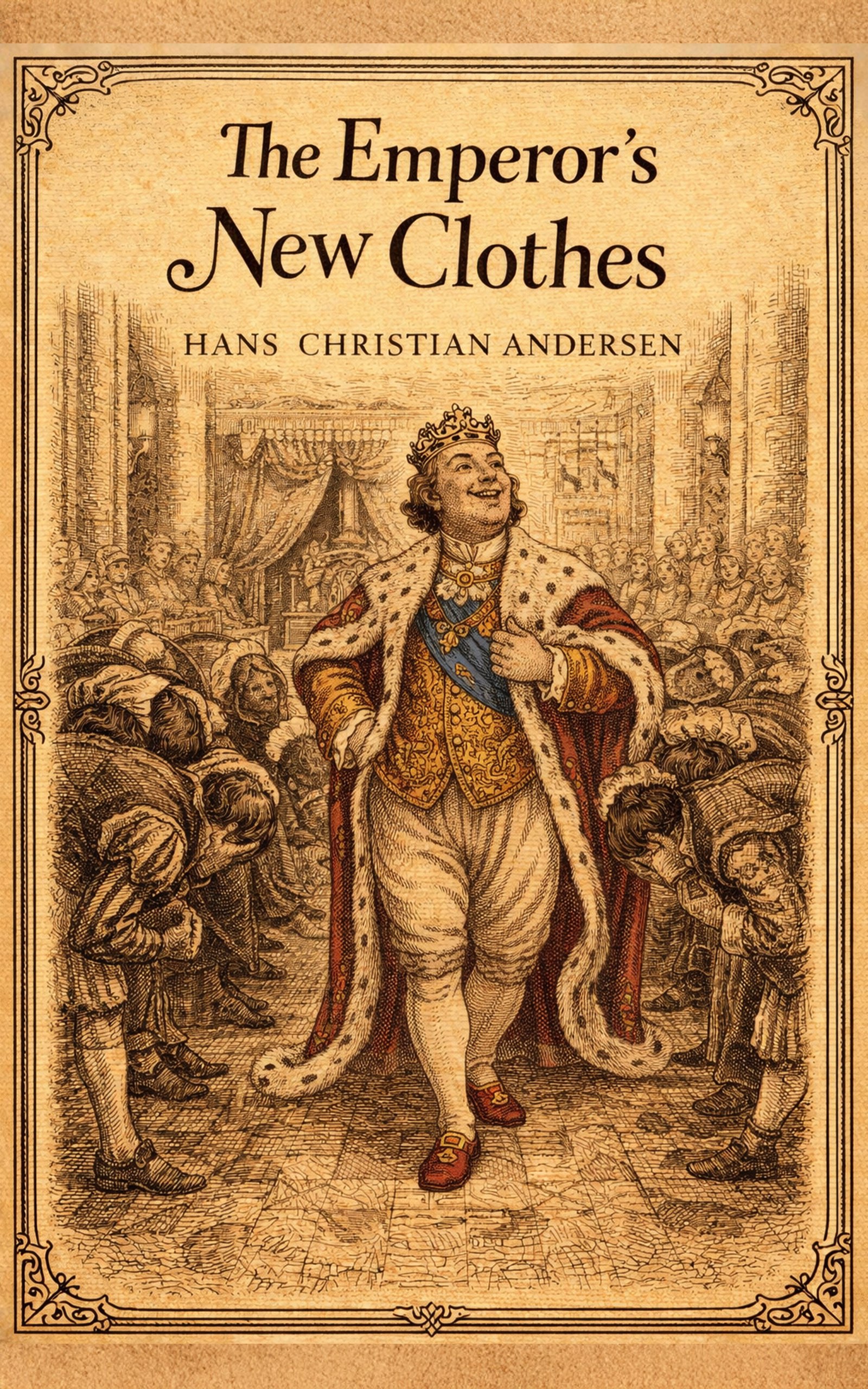
Step into a world of vanity, deception, and surprising courage in Hans Christian Andersen's timeless classic, The Emperor's New Clothes. This beloved fairy tale tells the story of a proud and fashion-obsessed emperor who cares for little beyond his extravagant wardrobe and public image. When two cunning swindlers arrive at his court claiming they can weave the most magnificent fabric ever seen—one invisible to anyone unfit for their position or hopelessly foolish—the emperor eagerly commissions a royal suit. As the "magical" cloth is crafted, ministers and officials are sent to inspect the progress. Afraid of appearing incompetent or foolish, each one pretends to see the nonexistent fabric, praising its beauty and sophistication. The emperor himself, unwilling to admit he sees nothing, joins in the charade. Soon, the entire kingdom buzzes with admiration for a suit that does not exist. On the day of the grand procession, the emperor proudly parades through the streets wearing his "new clothes," while his subjects, equally fearful of exposing themselves as unworthy, applaud in false admiration. It is only when a small child, innocent and unafraid of judgment, speaks the simple truth—"But he isn't wearing anything at all!"—that the illusion is shattered. With humor, wit, and sharp social commentary, Andersen's tale explores themes of pride, conformity, honesty, and the power of truth. Beneath its playful storytelling lies a profound message about the dangers of vanity and the human tendency to follow the crowd rather than trust one's own judgment. The Emperor's New Clothes remains a powerful and relevant story for readers of all ages, reminding us that courage often comes from the most unexpected voices—and that sometimes, the simplest truth is the hardest to admit.
Ta pozycja jest dostępna przez Internet. Rozwiń informację, by zobaczyć szczegóły.
Dostęp do treści elektronicznej wymaga posiadania kodu dostępu, który można odebrać w bibliotece.
E-book
W koszyku
The Little Mermaid is a timeless fairy tale about love, sacrifice, and the longing to belong. Set in a magical underwater kingdom, the story follows a young mermaid princess who dreams of discovering the human world above the sea. Fascinated by human life and enchanted by a handsome prince she rescues from a shipwreck, the little mermaid becomes determined to live on land and win his love. To pursue her dream, she makes a dangerous bargain with a mysterious sea witch. In exchange for human legs, she must give up her beautiful voice and endure great pain with every step she takes. Yet the greatest risk is not the suffering—it is the possibility that the prince may never return her love. If he marries someone else, the little mermaid will lose everything. Hans Christian Andersen's classic tale explores deep themes of devotion, identity, and the price of following one's heart. Unlike many modern adaptations, the original story carries a bittersweet and thought-provoking tone, reminding readers that true courage often comes with sacrifice. Filled with wonder, emotion, and moral depth, The Little Mermaid remains one of the most beloved fairy tales in world literature—captivating readers of all ages with its magical setting and unforgettable heroine.
Ta pozycja jest dostępna przez Internet. Rozwiń informację, by zobaczyć szczegóły.
Dostęp do treści elektronicznej wymaga posiadania kodu dostępu, który można odebrać w bibliotece.
E-book
W koszyku
The Snow Queen by Hans Christian Andersen is one of the most captivating and imaginative stories in classic literature. First published in 1844, this enchanting tale combines fantasy, adventure, and heartfelt emotion to create a powerful story about friendship, courage, and the enduring strength of love. With its magical atmosphere and unforgettable characters, the story has inspired generations of readers and remains one of Andersen's most treasured works. ❄️ The story begins with a mysterious and dangerous mirror created by an evil force. This mirror has the power to distort reality—turning everything beautiful into something ugly and making the good appear bad. When the mirror shatters, its fragments scatter across the world. Tiny pieces of the mirror can lodge themselves in a person's heart or eye, freezing their emotions and changing the way they see the world. Among those affected is a young boy named Kay, whose life is forever altered when a shard of the mirror enters his heart. Once kind and joyful, Kay becomes cold and distant, losing his warmth and compassion. Soon after, he is taken away by the powerful and mysterious Snow Queen, who carries him to her icy palace in the far north—a realm of endless winter and silent beauty. Left behind is Gerda, Kay's loyal and brave friend. Refusing to believe that Kay is lost forever, Gerda sets out on a long and difficult journey to find him. Along the way she encounters many unusual characters, including a kind-hearted sorceress, a clever crow, a prince and princess, and a band of robbers. Each encounter brings new challenges but also new allies who help guide her forward. Gerda's journey becomes a powerful test of her determination and faith. Through forests, rivers, frozen lands, and distant kingdoms, she continues her search, driven by her unwavering love for Kay. Her courage and compassion allow her to overcome obstacles that might have stopped anyone else. As the story unfolds, The Snow Queen reveals deeper themes about the human heart. It explores how love, kindness, and loyalty can overcome even the coldest darkness. Gerda's warmth stands in direct contrast to the Snow Queen's icy world, showing that genuine affection and innocence possess a strength greater than fear or cruelty. Hans Christian Andersen's storytelling blends fantasy, symbolism, and emotional depth, creating a narrative that is both magical and meaningful. The vivid descriptions of snowy landscapes and enchanted encounters give the story a dreamlike quality while conveying timeless lessons about resilience and hope. More than a simple fairy tale, The Snow Queen is a powerful story about the bonds that connect people and the courage it takes to protect those bonds. Through Gerda's determination and love, Andersen reminds readers that the warmth of the human heart can melt even the deepest winter. The Snow Queen remains a cherished classic, celebrated for its beautiful imagination and enduring message that love, friendship, and bravery can triumph over even the coldest forces in the world.
Ta pozycja jest dostępna przez Internet. Rozwiń informację, by zobaczyć szczegóły.
Dostęp do treści elektronicznej wymaga posiadania kodu dostępu, który można odebrać w bibliotece.
E-book
W koszyku
The Ugly Duckling by Hans Christian Andersen is one of the most beloved and enduring fairy tales ever written—a touching story about self-discovery, resilience, and the beauty of becoming who you truly are. The tale begins on a quiet farm where a group of ducklings hatch from their eggs. Among them is one small bird who looks very different from the others. Larger, awkward, and gray instead of bright and fluffy, he is quickly mocked and rejected by the animals around him. Labeled strange and ugly, the lonely duckling is forced to leave the only home he has ever known. As he wanders through fields, forests, and frozen landscapes, the young bird encounters hardship, loneliness, and cruelty. Everywhere he goes, he struggles to find acceptance and belonging. Yet through these trials, he quietly grows stronger and continues his search for a place where he might finally feel at home. When spring arrives, the duckling discovers a group of graceful swans gliding across the water. Drawn to their beauty and elegance, he approaches them—only to realize a life-changing truth: he has grown into a magnificent swan himself. What once seemed like ugliness was simply the early stage of something extraordinary. Through its gentle storytelling and powerful symbolism, The Ugly Duckling delivers a timeless message about patience, inner worth, and transformation. Andersen's tale reminds readers that true beauty often emerges through growth and perseverance, and that being different can ultimately become one's greatest strength. Heartwarming and inspiring, The Ugly Duckling continues to resonate with readers of all ages. It is a story about hope, identity, and the courage to endure difficult moments while waiting for one's true self to unfold.
Ta pozycja jest dostępna przez Internet. Rozwiń informację, by zobaczyć szczegóły.
Dostęp do treści elektronicznej wymaga posiadania kodu dostępu, który można odebrać w bibliotece.
E-book
W koszyku
Arden of Faversham / Anonymous. - [miejsce nieznane] : CLXBX : Legimi, 2026.
Forma i typ
Arden of Faversham is a compelling Elizabethan domestic tragedy that dramatizes one of England's most notorious real-life murder cases. Set in the town of Faversham, the play explores themes of betrayal, greed, adultery, and moral corruption within a seemingly ordinary household, revealing how private vice can lead to public catastrophe. At the center of the narrative is Thomas Arden, a prosperous and respectable man whose comfortable life becomes the target of those closest to him. His wife, driven by passion and ambition, becomes entangled in a conspiracy that seeks to remove him from their shared domestic world. What unfolds is a tense and gripping story of manipulation, calculated plotting, and escalating moral decay. Unlike grand historical tragedies focused on kings and empires, this play derives its power from its intimate setting and relatable characters. The danger emerges not from distant wars or political upheaval, but from within the home itself, making the drama all the more unsettling. The conspirators' plans grow increasingly complex, involving deception, persuasion, and hired agents, as they attempt to carry out their deadly intentions. The play is notable for its psychological depth and realism, offering a vivid portrayal of human weakness and the consequences of unchecked desire. Suspense builds steadily as the audience witnesses the gradual unraveling of trust and the tightening grip of fate. Arden of Faversham remains a significant work in early English drama, valued for its pioneering approach to domestic tragedy and its unflinching examination of ordinary lives corrupted by extraordinary wrongdoing. Its enduring impact lies in its ability to transform a historical crime into a powerful exploration of morality, justice, and human frailty.
Ta pozycja jest dostępna przez Internet. Rozwiń informację, by zobaczyć szczegóły.
Dostęp do treści elektronicznej wymaga posiadania kodu dostępu, który można odebrać w bibliotece.
E-book
W koszyku
Mucedorus / Anonymous. - [miejsce nieznane] : CLXBX : Legimi, 2026.
Forma i typ
Mucedorus is a lively and engaging Elizabethan romance-drama that blends adventure, comedy, and pastoral charm into one of the most popular stage works of its time. Though its authorship remains uncertain, the play has endured as a classic example of early modern theatrical storytelling, celebrated for its simplicity, emotional warmth, and fast-moving plot. The story follows the noble Prince Mucedorus, who disguises himself to seek adventure and prove his worth beyond royal privilege. His journey leads him into a forested wilderness where he encounters a variety of characters, including the virtuous princess Amadine, who has herself been separated from courtly life by circumstance and danger. Their meeting sparks a tale of love, mistaken identity, and personal transformation. As the narrative unfolds, Mucedorus must confront both external threats and internal challenges as he strives to win the trust and affection of Amadine while navigating misunderstandings and hostile encounters. Alongside the central romance, the play features comedic figures whose antics provide humor and contrast to the more serious elements of the story. The drama is notable for its clear moral themes, emphasizing virtue, bravery, and the triumph of good over deception and disorder. Its pastoral setting enhances the sense of escapism, offering a world where character and integrity ultimately determine fate. Mucedorus remains an important work in the study of early English theatre, reflecting popular tastes of its era while showcasing the enduring appeal of romantic adventure. Its combination of humor, romance, and moral clarity continues to make it an accessible and enjoyable example of classical stage drama.
Ta pozycja jest dostępna przez Internet. Rozwiń informację, by zobaczyć szczegóły.
Dostęp do treści elektronicznej wymaga posiadania kodu dostępu, który można odebrać w bibliotece.
E-book
W koszyku
The London Prodigal / Anonymous. - [miejsce nieznane] : CLXBX : Legimi, 2026.
Forma i typ
The London Prodigal is a lively Elizabethan comedy that explores themes of extravagance, repentance, family reconciliation, and moral transformation. Set in and around the bustling environment of London, the play follows the journey of a wayward young man whose reckless behavior and pursuit of pleasure lead him into financial and personal ruin. At the center of the story is a prodigal son whose indulgence in luxury, gambling, and poor decisions strains his relationship with his family. Disowned and left to face the consequences of his actions, he experiences a dramatic fall from comfort into hardship. This descent becomes the turning point of the narrative, setting the stage for reflection, growth, and eventual redemption. As the plot unfolds, the protagonist encounters a range of characters who influence his path—some encouraging further folly, others guiding him toward self-awareness and reform. Through a series of misunderstandings, comic situations, and moral lessons, the play highlights the contrast between youthful excess and responsible conduct. The family subplot adds emotional depth to the story, emphasizing themes of forgiveness, loyalty, and the enduring bonds of kinship. The tension between punishment and compassion drives much of the dramatic action, ultimately leading to reconciliation and restoration. The London Prodigal reflects the moral and social concerns of its time, particularly the dangers of urban temptation and the importance of discipline and virtue. At the same time, it delivers its message through humor and engaging theatrical storytelling, making it both entertaining and instructive. This work remains a notable example of early English stage comedy, offering insight into the cultural values and dramatic traditions of the Elizabethan period while presenting a timeless story of downfall and redemption.
Ta pozycja jest dostępna przez Internet. Rozwiń informację, by zobaczyć szczegóły.
Dostęp do treści elektronicznej wymaga posiadania kodu dostępu, który można odebrać w bibliotece.
Pozycja została dodana do koszyka. Jeśli nie wiesz, do czego służy koszyk, kliknij tutaj, aby poznać szczegóły.
Nie pokazuj tego więcej